
Best Natural Sleep Aid for Adults With Anxiety
Looking for the best natural sleep aid for adults with anxiety? See what reviews of magnesium, melatonin and valerian found, and what to try tonight.
NOV26
11/5/20266 min read

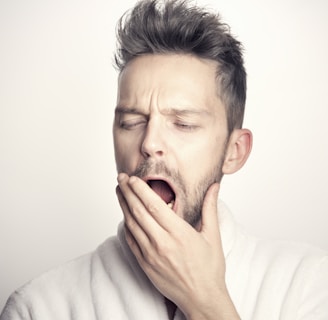
Which natural sleep aid is best when anxiety keeps you up at night? After reading six reviews, our answer is that there is no clear winner. Magnesium looks promising in small trials, melatonin shortens the time it takes to fall asleep, and valerian divides researchers. None of the six reviews we read tested any of them on racing thoughts, so here is the full story behind the best natural sleep aid for adults with anxiety.
Key takeaways
Magnesium: a 2024 review of 15 studies found mostly positive results on sleep and anxiety, but the studies were small, used different doses and forms, and some added other ingredients.
Melatonin: the clearest evidence is for falling asleep sooner. For anxiety, the best-studied setting is before surgery, not everyday worry.
Valerian: reviews disagree. A 2015 review called the results inconsistent; a 2020 review of 60 studies was more upbeat and blamed uneven extract quality.
Racing thoughts at night: no review we read tested that, so none of them can speak to it.
Natural sleep aids: a label, not a test result
Wanting something gentle to help you wind down is a perfectly reasonable instinct. "Natural" tells you where something comes from. It does not tell you what it does in your body, or how well it has been tested. If you have ever searched for the best sleep aid for adults with anxiety, you know the results are crowded and the claims are loud. We kept to the options we could find reviews of, magnesium, melatonin and valerian, and read what those reviews actually said. If your nights are already a worry spiral, our guide to sleep anxiety covers how common that spiral is.
Magnesium for sleep and anxiety: promising, small and a little messy
The most recent review we read looked at 15 studies, 11 of them randomized, on magnesium supplements and self-reported anxiety or sleep quality (Rawji and colleagues, 2024). For sleep, 5 of 8 studies reported a benefit, 2 did not and 1 was mixed; the two without a benefit used lower doses or a low-dose formulation. For anxiety, 5 of 7 reported a benefit, 1 did not and 1 was mixed. Doses ran from about 50 mg to 729 mg a day, and most studies used magnesium oxide.
Here is the catch. The studies were small, the doses and forms differed, and some products mixed magnesium with vitamin B6 and other ingredients, so you cannot tell which ingredient did the job. The authors say magnesium is likely useful for mild anxiety and insomnia, especially when magnesium levels start low, and ask for larger trials. A 2017 review of 18 studies on anxiety was blunter: it rated the evidence as poor and the findings as suggestive but inconclusive, and noted that the review's funder, Sanofi, supplied data from three unpublished studies.
Melatonin for sleep: good at the falling-asleep part
Melatonin is the hormone your body releases as part of its body clock, and the supplement version has its best evidence for one specific job: falling asleep. A 2017 meta-analysis of 12 randomized trials found it shortened the time to fall asleep in primary insomnia and in delayed sleep phase syndrome. A 2015 review of over-the-counter sleep agents found the most consistent benefit with prolonged-release melatonin, mainly in adults aged 55 and older with insomnia, and called the evidence for immediate-release melatonin inconclusive.
Anxiety is a different question. The best evidence is a 2015 Cochrane review of 12 randomized trials with 774 adults, all about to have surgery. Melatonin taken as premedication lowered anxiety compared with placebo, measured 50 to 100 minutes after the dose, by about 13 points on a 100-point scale. After surgery the picture was mixed. That is a hospital waiting room, not a Tuesday-night worry loop, and the review does not say otherwise.
Valerian root for sleep: two reviews, two moods
Valerian is the herbal one, and the research on it is the least settled. The 2015 review of over-the-counter agents looked at seven trials of valerian, alone or with hops, and only three met their main goal. Few side effects were reported. Pfizer funded the search and writing of that review, and one author was a Pfizer employee.
A 2020 meta-analysis took a wider sweep: 60 studies and nearly 7,000 people, with separate analyses for sleep quality and anxiety. Its authors suggest the inconsistent results may come from the variable quality of herbal extracts, and that whole-root products looked more reliable. They found no severe side effects in people aged 7 to 80, and they call for better quality control. Two reviews, five years apart, one cautious and one hopeful: read that as "unsettled", not "settled in valerian's favor".
The pills from the pharmacy shelf
The sleep aid aisle also holds over-the-counter pills. In the same 2015 review, diphenhydramine, the antihistamine in many sleep tablets, showed limited benefit across three studies, with some next-day impairment and possible rebound insomnia. Not natural, but part of the same shelf and worth knowing about.
What none of these studies tested
Look at what the reviews measured: how long it took to fall asleep, sleep quality scores, anxiety questionnaires, anxiety before an operation. Racing thoughts at the exact moment you lie down is not on that list. None of the six reviews we read tested magnesium, melatonin or valerian on that. The sleep trials they pooled mostly enrolled people with insomnia, not people chosen for anxiety. That is a gap in the research, not a flaw in you. If that is your real nightly problem, our guides on racing thoughts at night and a mind that will not slow down are built around it, and if sound is your thing, we read the studies on sleep sounds and videos too.
Something to try tonight
Before the cart, one gentle option for tonight that comes with no capsule and does not ask you to imagine anything. Hypnagogia is the drifting, half-lit stretch between waking and sleep. Hypnagogia-Pass is our library of 30 videos, more than 2,400 minutes in total, curated by CantSwitchOff to walk you through the hypnagogic pass: a word, then a matching picture, one after another on a dark screen, with nobody speaking and soft background sound. No ads. It is something to try, not a treatment. You can read why we built Hypnagogia-Pass before you decide.
Your sleep aid questions, answered
What is the best medication for sleep and anxiety?
There is no single best medication, and an article cannot choose one for you. The right choice depends on your symptoms, health and other medicines, so it is a question for a doctor or pharmacist. Reviews can only speak to a few options. Prolonged-release melatonin has the most consistent evidence for falling asleep, mostly in adults 55 and older with insomnia, while antihistamine sleep pills showed limited benefit and some next-day impairment.
How to sleep better with anxiety?
Two small sleep-lab studies point to simple habits: writing a to-do list for five minutes before bed, and not watching the clock. In a 2018 study, 57 young adults who wrote a to-do list fell asleep faster than those who listed finished tasks. In a 2007 study, 60 people told to watch a clock worried more and took longer to fall asleep. Our can't sleep guide goes through both, and neither study shows a fix for everyone.
What are the treatment options for anxiety and insomnia?
Options vary from person to person, and a doctor can look at both problems together. The 2015 over-the-counter review notes that people often turn to cognitive-behavioral approaches and sleep hygiene as well, and that the clinical guidelines it cites do not recommend over-the-counter sleep agents for chronic insomnia. This article covers only the over-the-counter and herbal end of the shelf, the part we found reviews of: magnesium, melatonin, valerian and antihistamine sleep pills. These reviews look at each product on its own, so they cannot tell you which route suits you.
Can melatonin help with anxiety?
The best evidence is in a narrow setting. A 2015 Cochrane review of 12 randomized trials with 774 adults found melatonin before surgery lowered anxiety compared with placebo, measured 50 to 100 minutes after the dose, and the effect after surgery was mixed. We did not find a comparable review for everyday anxiety. For sleep itself, the evidence is clearer, mainly for falling asleep sooner.
What can I take to stop my mind from racing at night?
None of the six reviews we read tested magnesium, melatonin or valerian on racing thoughts at night. The reviews above measure sleep onset and anxiety scores, which is not the same thing. If you want a bedtime habit rather than a supplement, our guide on overthinking before sleep is the place to start. Hypnagogia-Pass, a method with nobody speaking and nothing to imagine, is one more option to try, not a treatment.
Know someone who's awake right now?
If you have a friend you have recently swapped sleep-aid stories with, or someone who keeps asking which supplement to buy, send them this article. It brings them what the science says, in plain words.
Share: Facebook · X · WhatsApp · LinkedIn · Email
Prefer CantSwitchOff in your Google results? Add us as a preferred source on Google.
If trouble sleeping lasts for weeks, or if racing thoughts come with other symptoms that worry you, please talk with a doctor. If you take other medicines, ask a pharmacist before adding a supplement. This article is general information, not medical advice, and Hypnagogia-Pass has not been tested in a clinical trial.